


Diagnostic Imaging
Fluoroscopy
What is Fluoroscopy?
Fluoroscopy uses low level X-rays to obtain real-time moving images of your body’s internal structures. It displays the movement of a body part or dye (contrast material) through the body. Common uses include diagnosis of gastrointestinal disorders, joint injections for orthopaedic pain and problems, and infertility examinations. (For infertility testing, see Hysterosalpingogram under Women’s Services.)
What happens during the test?
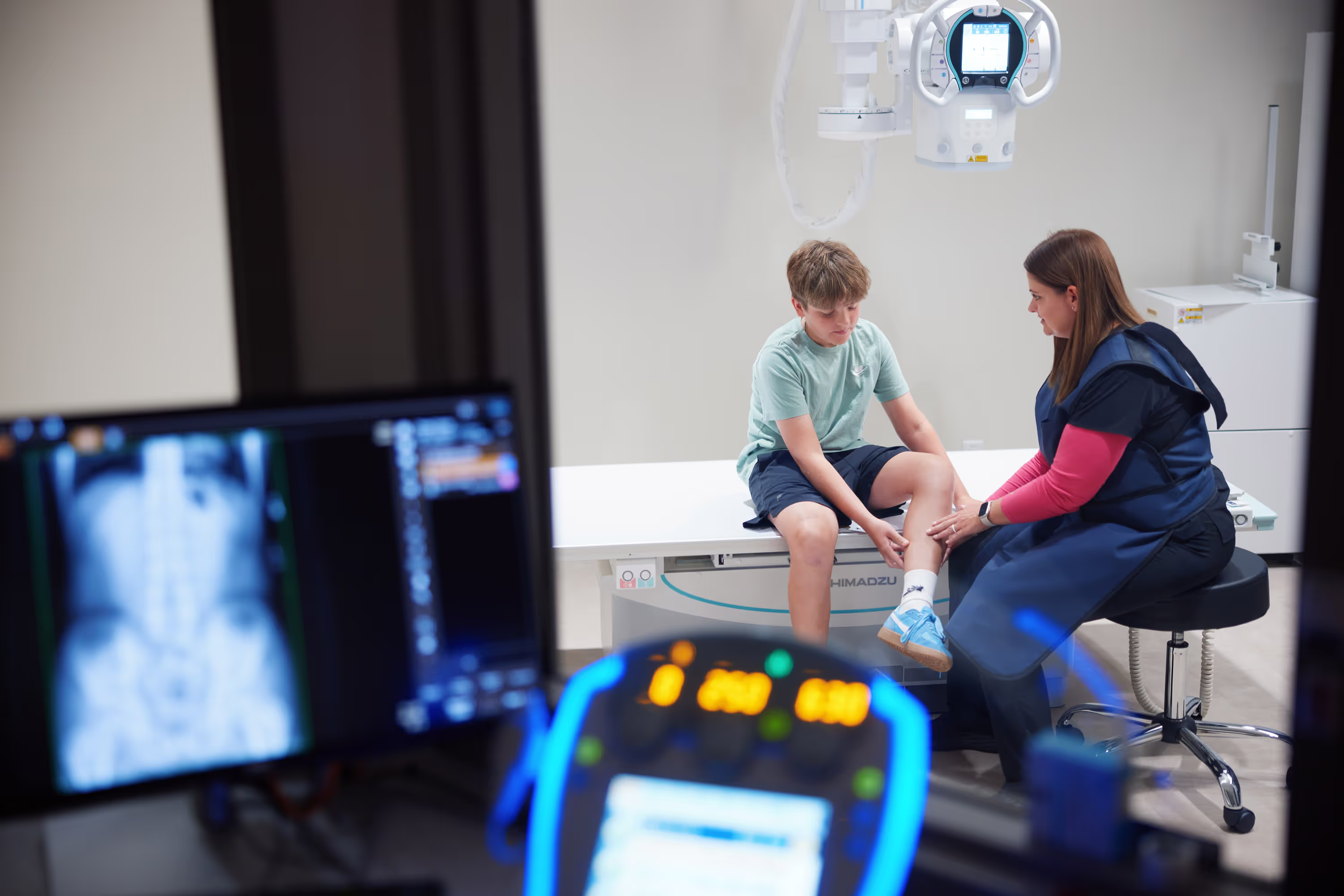
Our technologist will take a brief medical history. You will be positioned on the fluoroscopy table, either on your side or back. For gastrointestinal exams, you may be given barium (a contrast) to drink during the exam. If a barium enema is being performed, a small rubber tip will be inserted in your rectum, where barium will be allowed to flow into your intestine. There may be slight cramping. If you are undergoing an arthrogram for orthopaedic purposes, the affected joint will be cleansed and a needle inserted into the joint space, where contrast or cortisone will be released. For all procedures, a radiologist will be in the room reviewing the images in real time, and you may be asked to change positions.
An arthrogram or joint injection can be performed in 30 minutes. Gastrointestinal exams can vary in length from as little as 30 minutes to a number of hours, depending on how long it takes for the barium to reach the colon.
How do I prepare for the test?
In most cases, there is no prior preparation for a fluoroscopy exam. You may be asked to remove any jewelry, buckles, or items with metal enclosures that may hamper a clear reading. You may also be asked to wear a gown. Ensure that you tell the technologist if you are pregnant or suspect that you might be pregnant. Inform your technologist if you have any old images so they may be used for comparison. If you are receiving an orthopaedic exam that requires dye (contrast) and you are on Coumadin or Plavix, you will be given special instructions prior to the exam. For some gastrointestinal exams, you may be asked to fast for 8 hours before the exam.
When can I expect the results?
A radiologist will review the images and send a report to your referring physician within one business day. Your doctor will then review the report and contact you with the results.
After the test
For gastrointestinal exams, barium may cause constipation following the procedure if it is not completely eliminated. Please drink plenty of fluids and eat high-fiber foods to excrete the barium. Bowel movements may be white and chalky. For arthrogram exams, you may feel some discomfort after the procedure. Do not perform any heavy lifting or rigorous activity for 24 hours.
Downloadable Resources
FAQ's
Where we offer
Fluoroscopy
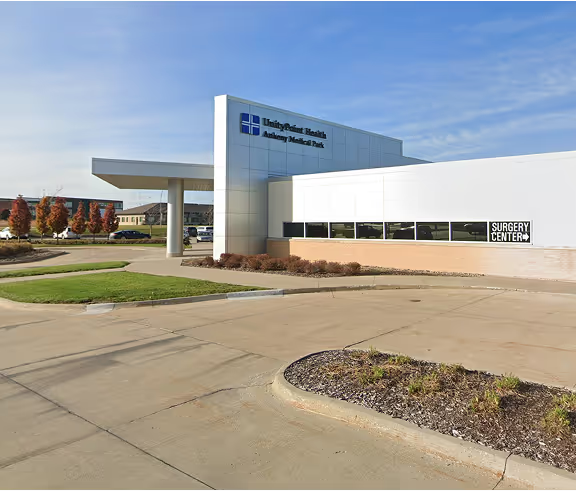
3625 N Ankeny Blvd. Suite H Ankeny, IA 50023
Mon – Fri: 8am-5pm
Sat: Hours available for MRI and Digital Mammography
Fax: (515) 963-7619
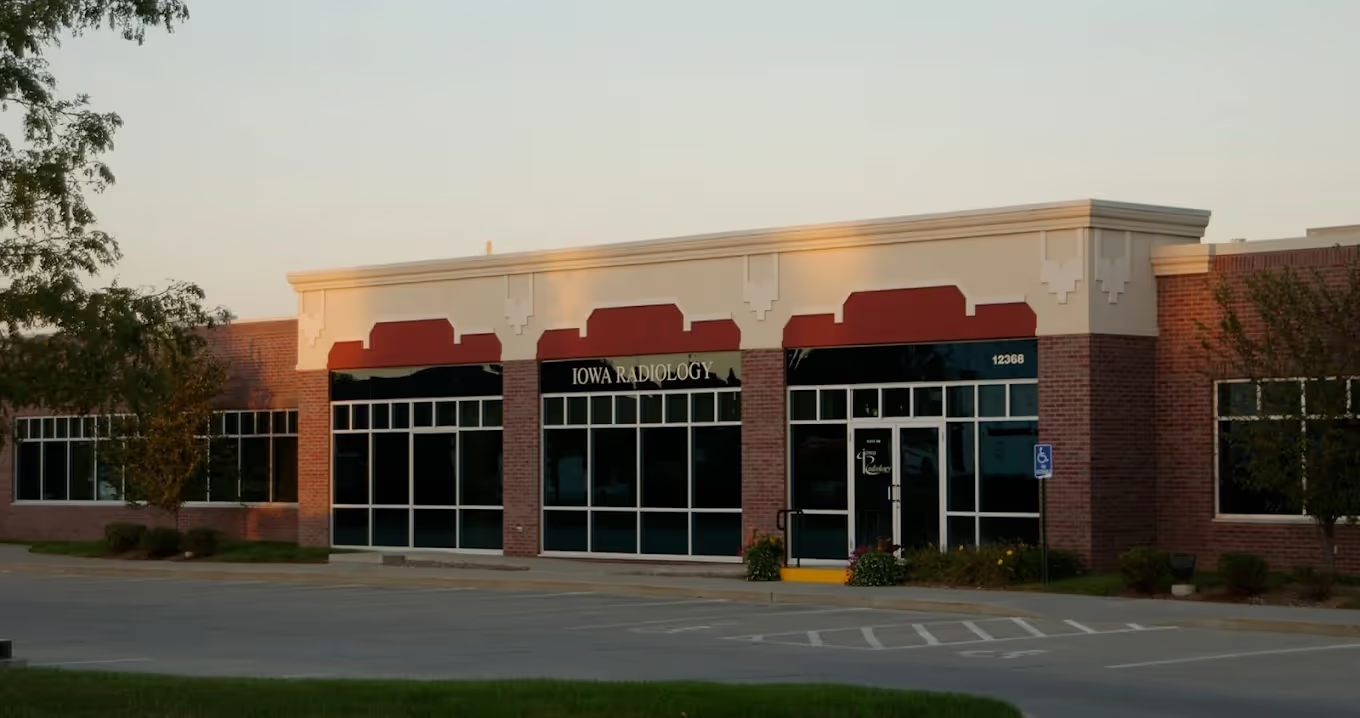
12368 Stratford Drive Suite 300 Clive, IA 50325
Mon – Fri: 6:30am–5pm
Sat: Hours available for MRI & Digital Mammography
Fax: (515) 226-8408
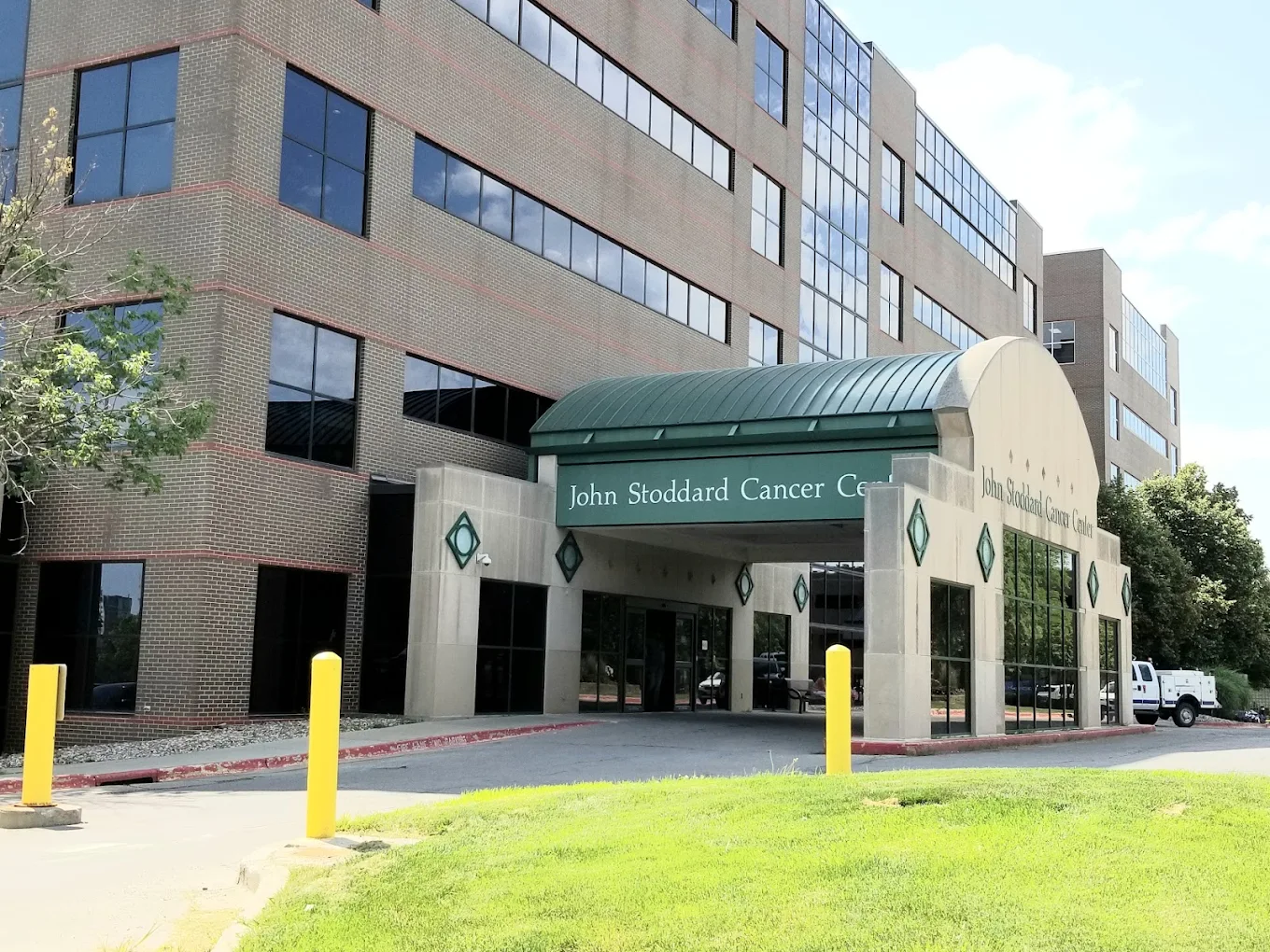
1221 Pleasant Street Suite 350 Des Moines, IA 50309
Mon – Fri: 8am-5pm
Fax: (515) 226-7493

2515 Grand Prairie Parkway, Waukee, IA 50263
Mon – Fri: 8am-5pm
Fax: (515) 226-8408
Schedule Today
At Iowa Radiology, we strive for excellence in everything we do. You can expect easy access, convenient scheduling, and timely service.
Featured Articles

Practicing Physicians




























Schedule an Appointment
At Iowa Radiology, we strive for excellence in everything we do. You can expect easy access, convenient scheduling, and timely service.